
Hi, I'm Huyen
Our work (and this site) is devoted to sharing ideas, tools and resources that will help you automate, grow and scale your practice.

Hair transplant clinics now operate in a global patient marketplace. A patient researching treatment in London may compare clinics in Istanbul, Bangkok, Sydney, and New York within minutes. This shift has created opportunities in hair transplant clinic marketing as well as complexity. Clinics that attract international patients consistently tend to follow clear systems, not trends. They invest in trust, compliance, visibility, and patient experience long before a booking takes place.
International patient growth, like that seen in Turkish medical tourism, does not come from volume marketing. It comes from relevance, credibility, and precision. The clinics that succeed understand how global patient behaviour works and how to respond without compromising standards or regulatory obligations.
Understanding why patients travel for hair restoration
International patients do not travel purely for lower pricing. Research on cross-border healthcare shows that patients are motivated by a mix of perceived expertise, outcomes, transparency, safety standards, and service experience. Hair restoration is elective, visual, and permanent. Patients spend significant time researching before committing.
Medical tourism trends show that patients prioritise surgeon credentials, documented results, peer reviews, and clinic communication over promotional language. They expect fast responses, clear explanations, and reassurance that standards match or exceed those in their home country.
Clinics that understand this behaviour work to structure their marketing and sales funnel around education and clarity rather than persuasion.
Build international visibility without losing clinical credibility
Attracting overseas patients begins with search behaviour. Patients rarely search by clinic name. They search by problem, procedure, outcomes, recovery time, and risk. Effective medical marketing for medical clinics aligns content with these intent signals.
International SEO requires more than translation. Clinics must create location-aware content that reflects how patients search in different regions. A patient in the UK searches differently from one in Canada or the Middle East. Terminology, spelling, regulatory language, and risk disclosure all matter.
High-performing clinics structure their websites with dedicated sections for international patients. These pages explain treatment suitability, travel considerations, consultation processes, and post-procedure follow-up. They avoid exaggeration and focus on process and outcomes.
This approach supports both compliance and conversion.
Trust signals matter more across borders
International patients face a higher perceived risk. They cannot easily visit the clinic beforehand. They rely on trust signals to reduce uncertainty.
Strong healthcare marketing for clinics prioritises verifiable proof. This includes surgeon qualifications, clinic accreditation, regulatory registration, before-and-after case studies with proper consent, and clear explanations of who performs each stage of treatment.
Video content on social media plays a critical role here. Surgeon-led explanations, patient journey walkthroughs, and transparent discussion of risks build credibility. Clinics that hide complexity quickly lose trust.
Medical tourism marketing that succeeds internationally rarely uses sales language. It uses reassurance, education, and consistency.
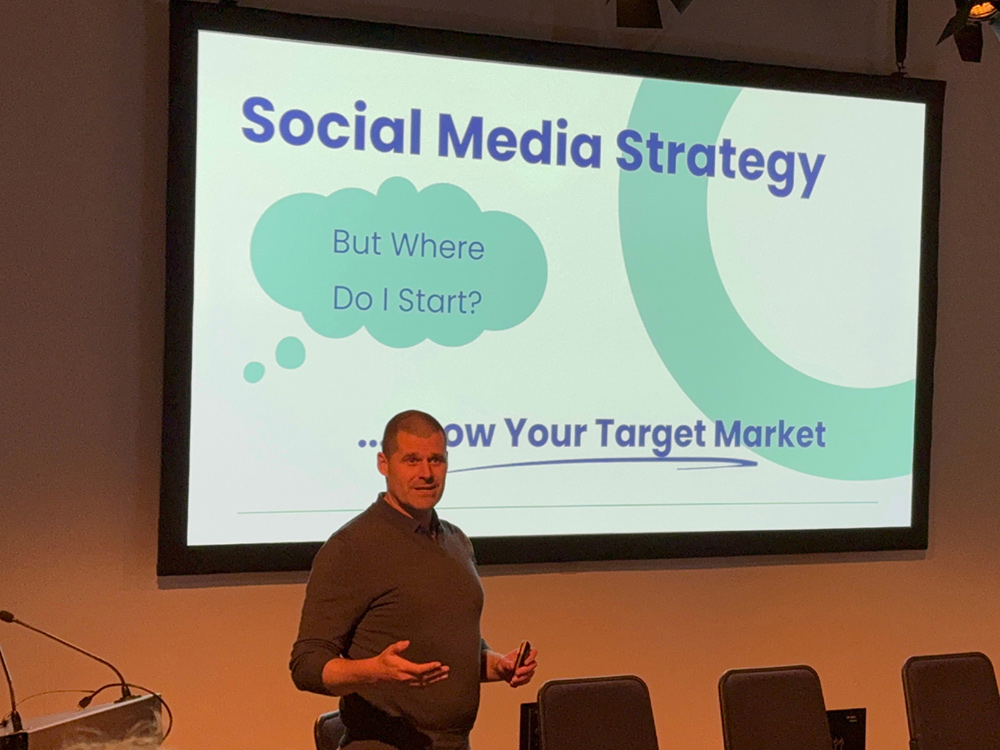
OMD Account Director Steven Tait, presenting at BAAPS 2024, emphasises education-led social media strategies, showing how explaining procedures, safety, and outcomes builds patient trust without crossing ethical or regulatory lines.
Regulatory compliance is not optional for global growth
International patient acquisition increases regulatory exposure. Advertising standards differ by country, but patient expectations increasingly align around safety and honesty.
Clinics must ensure all marketing complies with medical advertising rules in their home jurisdiction while remaining understandable to overseas audiences. This includes restrictions on claims, testimonials, guarantees, and outcome language.
Failure to align marketing with regulation damages trust and can restrict future growth. Clinics that partner with specialist agencies experienced in medical marketing for medical clinics reduce this risk. They benefit from frameworks built specifically for healthcare rather than general digital promotion.
Global agencies with a healthcare focus understand how to scale visibility without crossing compliance boundaries.
The consultation experience drives international conversion
Most international patients convert during the consultation phase, not the initial enquiry. This makes process design critical.
Clinics that attract overseas patients consistently offer structured virtual consultations. These consultations follow a defined clinical pathway, not an ad hoc sales call. They assess suitability, explain technique options, outline limitations, and clarify recovery timelines.
Clear documentation after consultation builds confidence. Written summaries, treatment plans, and next steps help patients make informed decisions without pressure.
Automation can support this process when used carefully. AI-assisted follow-up systems can answer common questions, schedule calls, and provide educational resources without replacing clinical judgement. Used properly, this reduces staff workload while improving response speed.
Patient experience extends beyond surgery
International patients evaluate the full journey. Travel support, accommodation guidance, recovery planning, and aftercare communication all influence decision-making.
Clinics that succeed in medical tourism trends often provide structured international patient support without positioning themselves as travel agents. They offer guidance, not bundled tourism packages. This distinction matters for trust and compliance.
Post-procedure communication is especially important. Overseas patients need reassurance once they return home. Clear follow-up schedules, access to clinicians, and documented care plans reduce anxiety and improve long-term satisfaction.
Satisfied international patients become referral sources across borders.
Data-led decision making improves international ROI
Global patient acquisition is expensive when unmanaged. Clinics that rely on generic campaigns often see inconsistent results.
Successful clinics track performance by region, channel, and enquiry type. They measure cost per qualified consultation, not cost per lead. This distinction matters. High-quality international leads convert at a much higher rate when nurtured correctly.
Medical tourism marketing strategies should be data-driven, not based on assumptions. Search behaviour in one region often predicts future demand in other regions. Clinics with global insight can act earlier and more efficiently.
This is where working with a global medical marketing agency adds value. Agencies with multi-region experience identify patterns that clinics cannot see on their own.
Reputation management across borders
Online reputation carries extra weight for international patients. Reviews, forum discussions, and social proof influence trust at scale.
Clinics should monitor international platforms, not just local review sites. Patients often rely on global forums, social groups, and third-party aggregators when researching hair restoration abroad.
Responding professionally, addressing concerns transparently, and maintaining consistency across platforms strengthen brand perception. Silence or defensiveness damages credibility quickly.
Healthcare marketing for clinics that includes structured reputation monitoring protects long-term growth.
Align marketing with clinical reality
The most effective international marketing reflects real clinical practice. Clinics that overpromise attract short-term attention but long-term issues.
A clear explanation of candidacy, limitations, and outcomes filters out unsuitable enquiries and improves satisfaction. This approach reduces refunds, complaints, and reputational damage.
Medical marketing for medical clinics works best when marketing and clinical teams collaborate. Shared messaging prevents a disconnect between expectation and reality.
Why global medical marketing expertise matters
International patient growth requires more than digital tactics. It requires understanding how culture, regulation, and behaviour intersect.
A global medical marketing agency with a healthcare focus brings this perspective. By working across regions, such agencies see how medical tourism trends emerge and shift. They adapt strategies before markets become saturated.
Online Marketing For Doctors operates globally, supporting clinics across multiple continents while maintaining local compliance and patient relevance. This balance allows clinics to scale safely and sustainably.
Clinics that invest in specialist support avoid costly trial-and-error. They grow with intention, not volume for its own sake.
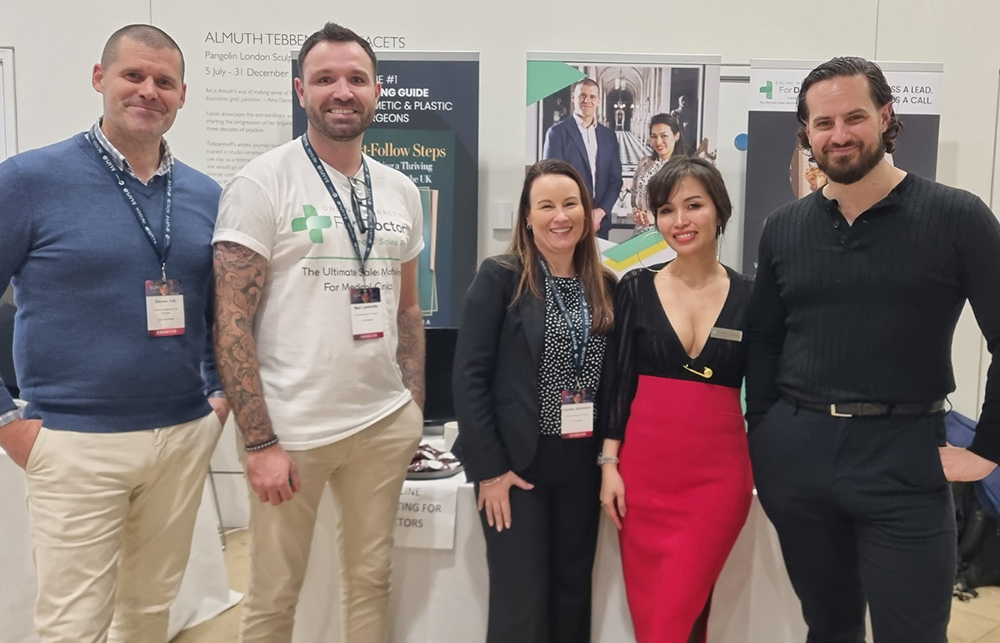
We help hair transplant clinics attract more local and international patients by aligning clinical credibility with how people actually search, research, and choose care across borders. By tracking medical tourism trends and patient behaviour globally, we build compliant, trust-led marketing systems that convert informed enquiries into booked consultations.
Sustainable international growth comes from structure
Attracting international hair transplant patients is not about chasing demand. It is about building systems that earn trust at scale.
Clinics that succeed focus on education, compliance, experience, and data. They invest in visibility that aligns with clinical standards. They treat international patients with the same care and transparency as they do local patients.
Medical tourism marketing works when it respects both the patient and the profession. Clinics that understand this grow steadily, ethically, and with confidence.
If you’d like personalised strategies to compete with both local and international clinics, book a discovery call with the team at Online Marketing For Doctors. We’ll help you develop a winning strategy that maximises your sales and conversions.
Frequently Asked Questions
How should our clinic manage language barriers during the virtual consultation and onsite procedure?
True localization goes past your website's SEO. For the inquiry and virtual consultation phase, utilizing multilingual patient coordinators or advanced, healthcare-compliant AI translation tools for initial text communication is highly effective.
However, for the actual medical consultation and surgery day, you must have native or fluent speakers. Miscommunication regarding hairline design or density expectations can lead to disastrous reviews. If hiring full-time multilingual staff isn't feasible yet, partner with certified medical translation services to ensure informed consent documents are fully understood in the patient’s native language.
What is the best way to handle international payments, deposits, and currency fluctuations?
Financial friction is a major conversion killer. To build trust and streamline the process:
-
Use Tier-1 Gateways: Offer secure, internationally recognized payment options (e.g., Stripe, Flywire, or direct wire transfers) to handle booking deposits safely.
-
Be Clear on Currencies: Display your pricing in your local currency alongside major global currencies (USD, EUR, GBP) using a live conversion disclaimer.
-
Establish a Transparent Refund Policy: Clearly state what happens to the deposit if a patient's flight is delayed, canceled, or if they are deemed medically unfit for surgery upon arrival.
What happens if an international patient experiences a complication after returning home?
A: This is the elephant in the room for medical tourism. To safeguard your reputation and give patients peace of mind, implement a two-pronged strategy:
-
Complication Insurance: Recommend or bundle specialized medical tourism insurance (like specialized cross-border complications insurance) that covers the cost of corrective care or emergency travel if things go wrong.
-
Local Clinic Networks: Build informal referral networks or partnerships with trichologists or dermatologists in your primary target countries (e.g., London, Dublin, New York) who can handle basic post-op physical assessments or suture removals if required.
How can we legally manage patient testimonials and before-and-after photos across different international regulations?
A: Medical advertising laws are a minefield. While your clinic must strictly abide by the laws of the country where you operate, you also need to respect the regulations of the countries you are targeting.
For instance, the UK's ASA (Advertising Standards Authority) and Australia’s AHPRA have incredibly strict rules regarding medical testimonials and social media filters. To stay compliant:
-
Avoid Over-Promising: Never use words like "guaranteed results."
-
Standardize Patient Imagery: Use high-resolution, unedited, standardized lighting for before-and-after photos.
-
Explicit Consent: Ensure your patient intake forms include an explicit, cross-border digital media release form detailing exactly where and how their images will be used.
How do we handle virtual consultations across vastly different time zones without burning out our clinical team?
A: You cannot expect your top surgeons to be on Zoom calls at 2:00 AM. Successful clinics solve this using asynchronous evaluations combined with smart scheduling:
-
The Photo/Video Portal: Require patients to upload high-quality, specific angles of their donor and recipient areas via a secure portal before a call is booked.
-
Asynchronous Loom/Video Responses: Have your medical team review the photos and record a personalized 3-minute video analysis explaining their candidacy and recommended graft count.
-
Targeted Live Slots: Use automated scheduling tools (like Calendly) to open specific, localized time blocks dedicated strictly to international live Q&A sessions managed by trained patient coordinators.
Hi, I'm Huyen
Our work (and this site) is devoted to sharing ideas, tools and resources that will help you automate, grow and scale your practice.